


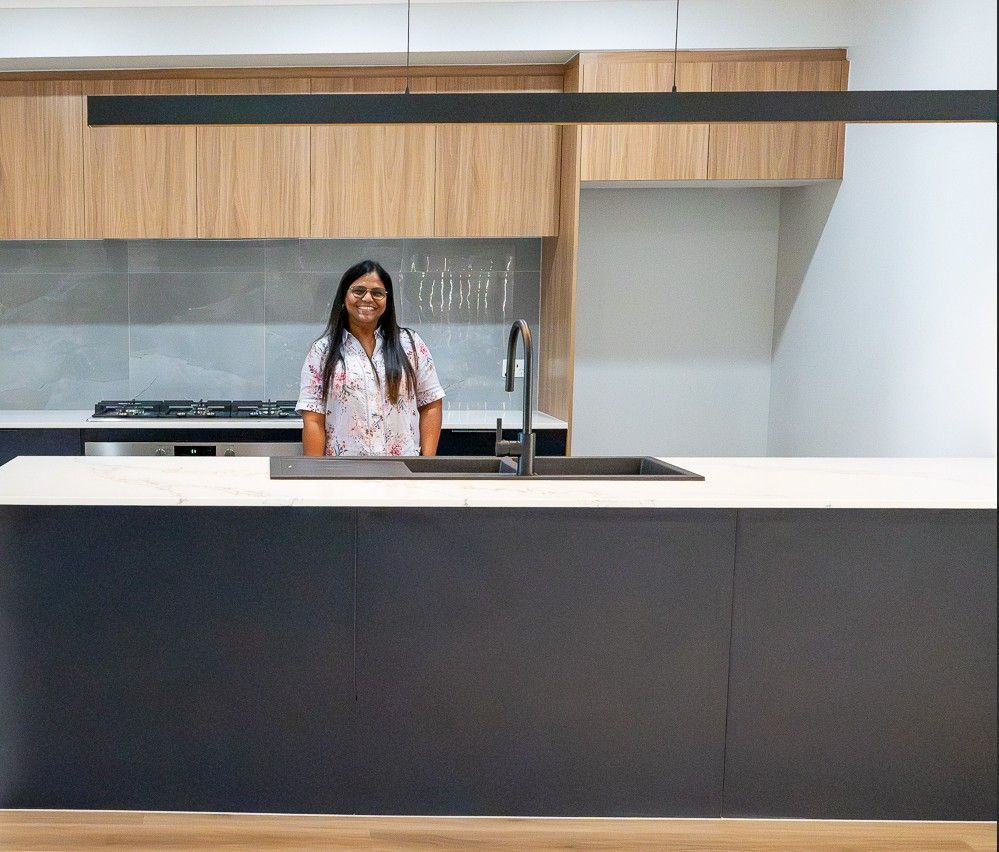
January has a unique energy. It is the month where routines reset, plans feel possible, and long-term goals finally get some attention. For many Australians, that includes thinking more seriously about home ownership, upgrading, building, or getting their finances back under control. While motivation is high at the start of the year, progress only happens when that motivation is paired with clarity. At Evolve Homes QLD , we believe January is the ideal time to pause, reassess, and create a realistic plan that sets you up not just for the year ahead, but for the years that follow. Whether you are a first home buyer, planning your next build, or focused on paying off your mortgage faster, the foundations you put in place now can have a lasting impact. Start With a Clear Picture of Where You Are Before setting any new goals, it is essential to understand your current financial position. This step is often skipped, yet it is the most important. Take time to review: Your income and how consistent it is Your regular expenses and discretionary spending Existing debts, including credit cards, personal loans, and car finance Your savings and emergency buffer Your current mortgage structure, if you already own a home This is not about judgment or restriction. It is about awareness. Without knowing exactly where your money is going, it is difficult to make confident decisions about where you want it to go. Many people are surprised by how much clarity this simple exercise provides. Once everything is visible, opportunities to improve often become obvious. Set Home and Property Goals That Are Realistic A common mistake people make in January is setting goals that are too vague or too ambitious. “Buy a house” or “be better with money” sound good, but they are hard to act on. Instead, define goals that are specific and measurable. For example: Save a $40,000 deposit by December Build a new home within the next 18 months Refinance and reduce interest by mid-year Increase repayments and aim to shave five years off the mortgage Clear goals allow you to break the year into manageable steps. They also make it easier to track progress, which helps maintain momentum long after January motivation fades. At Evolve Homes QLD, we encourage clients to think beyond the next 12 months and consider how today’s decisions fit into a five or ten-year plan. Understand Your True Budget, Not Just Your Borrowing Power One of the most common misunderstandings in property is confusing borrowing capacity with affordability. Just because a bank is willing to lend a certain amount does not mean it aligns with your lifestyle or long-term comfort. A sustainable budget considers: Future interest rate changes Lifestyle costs such as travel, children, or education The ability to handle unexpected expenses Long-term financial goals beyond property January is the perfect time to reassess your comfort zone and adjust expectations if needed. Building or buying within your means creates far less stress and far more flexibility over time. Build Smart Financial Habits Early in the Year Habits formed in January often shape the rest of the year. Small adjustments, when done consistently, can lead to significant results by December. Consider setting up: Automated savings into an offset or high-interest account Regular extra mortgage repayments, even small ones A review of subscriptions and unnecessary expenses A clear plan for bonuses, tax returns, or pay rises You do not need to overhaul everything at once. In fact, smaller changes are more likely to stick. The goal is progress, not perfection. Use January to Review or Restructure Your Mortgage If you already own a home, January is an ideal time to review your mortgage. Many homeowners stay on outdated loan structures simply because they have not revisited them. A review may highlight opportunities to: Reduce your interest rate Improve offset account use Adjust repayment frequency Consolidate or clear higher-interest debts Even small improvements can save thousands of dollars over the life of a loan. More importantly, they can reduce financial pressure and improve cash flow throughout the year. Think Strategically If You Are Planning to Build For those considering building, January is not about rushing into construction. It is about planning. Early planning allows time to: Refine your design and inclusions Confirm realistic budgets Understand timelines and approvals Prepare finance without pressure Starting the conversation early puts you in control. It also allows flexibility if circumstances change later in the year. At Evolve Homes QLD, we often see better outcomes when clients begin planning well before they intend to build. Keep the Focus on Long-Term Confidence Property decisions should support your life, not restrict it. A strong financial foundation gives you choices. It allows you to adapt to changes, pursue opportunities, and enjoy your home without constant stress. January is not about doing everything at once. It is about setting direction. When you combine clarity, realistic goals, and consistent habits, progress becomes inevitable. A new year does not guarantee new results. Intentional planning does. Whether your goal is to buy, build, upgrade, or simply feel more confident about your finances, the steps you take in January matter more than you might realise. At Evolve Homes QLD , we believe informed decisions lead to better outcomes, and better outcomes start with a clear plan. New year. New goals. Stronger foundations.
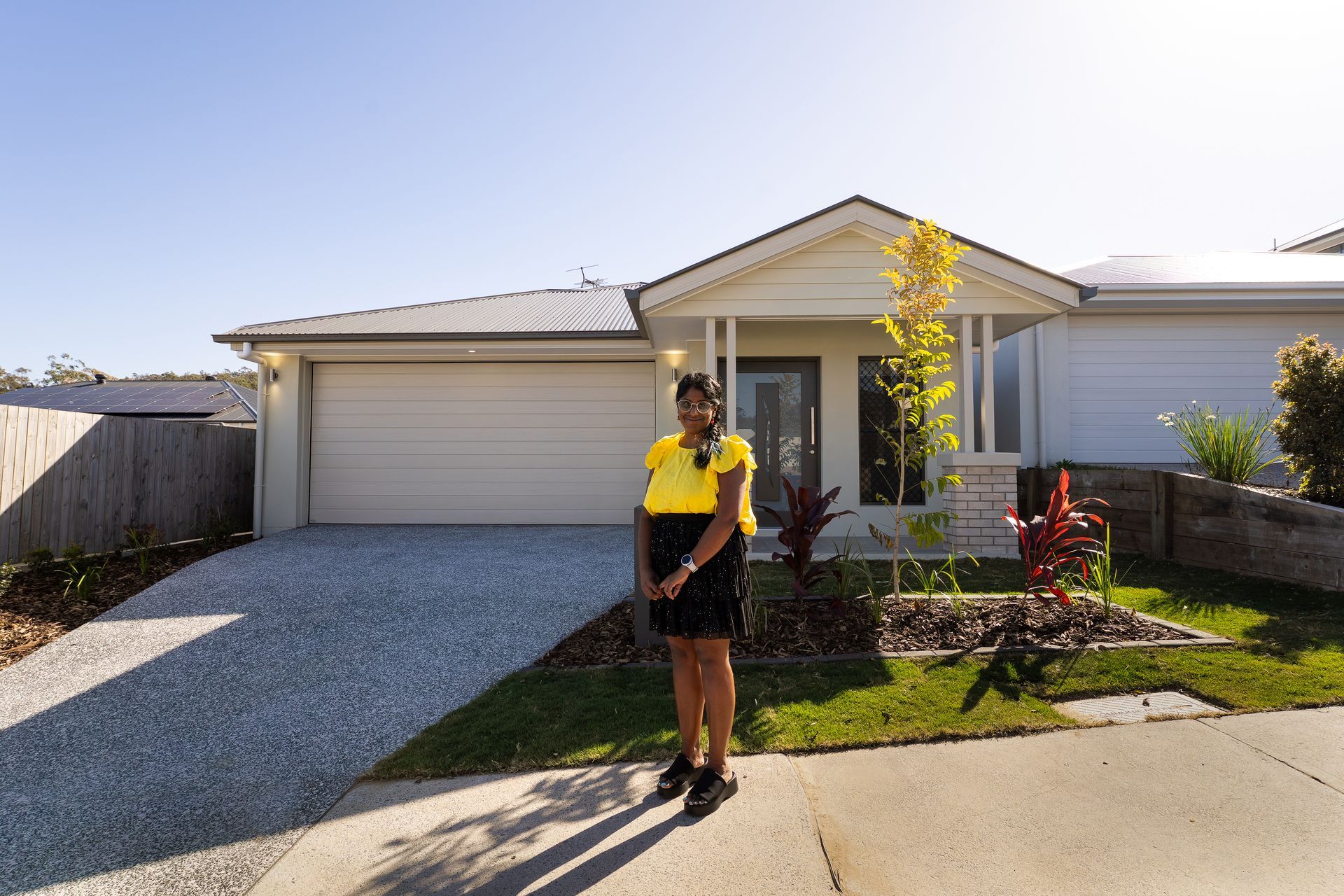
First home buyer in Brisbane? Learn what to know before building, from budgets and land to choosing the right builder.
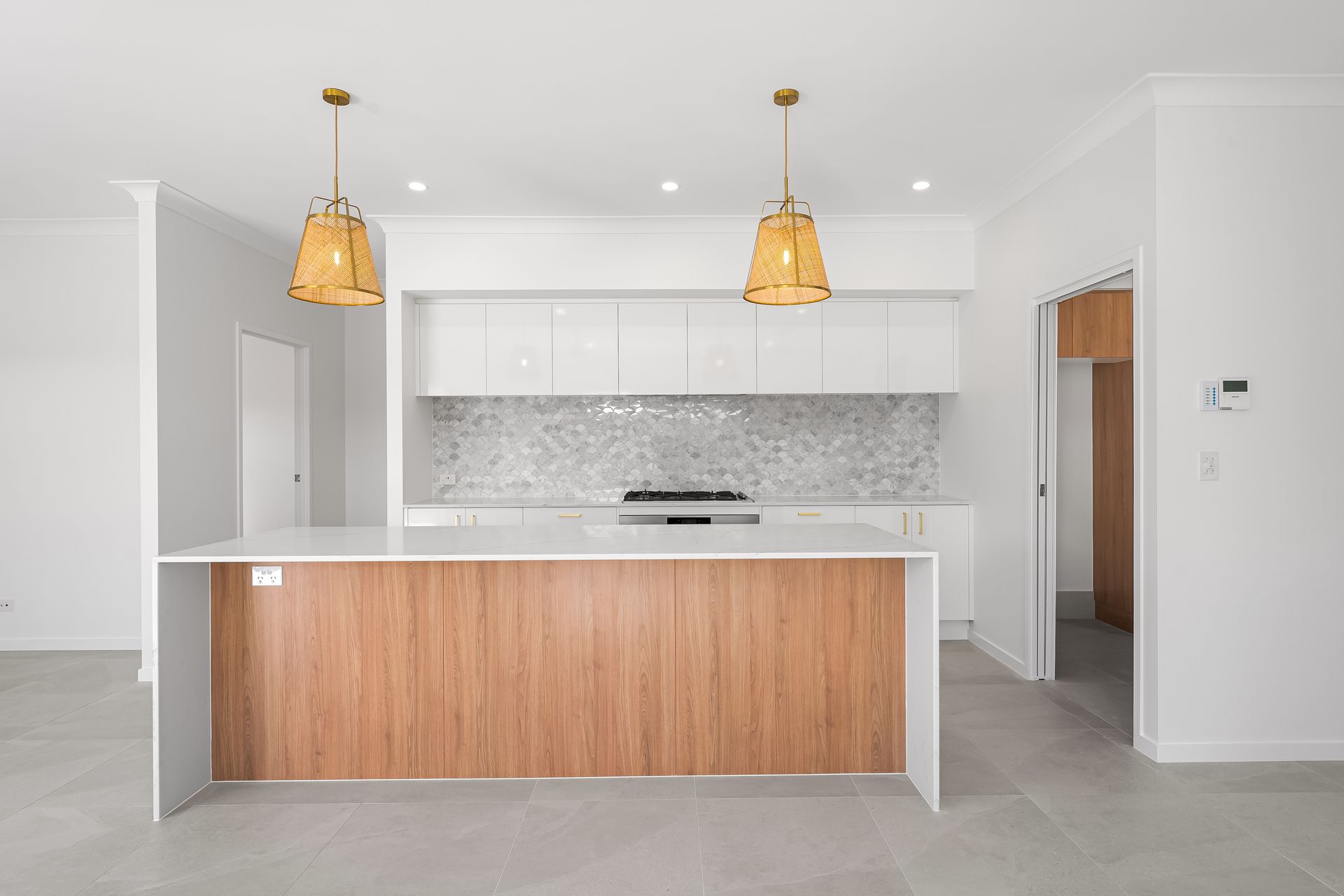
Looking for an affordable custom home in Brisbane or QLD? Here’s how first home buyers can build a quality home without blowing the bud
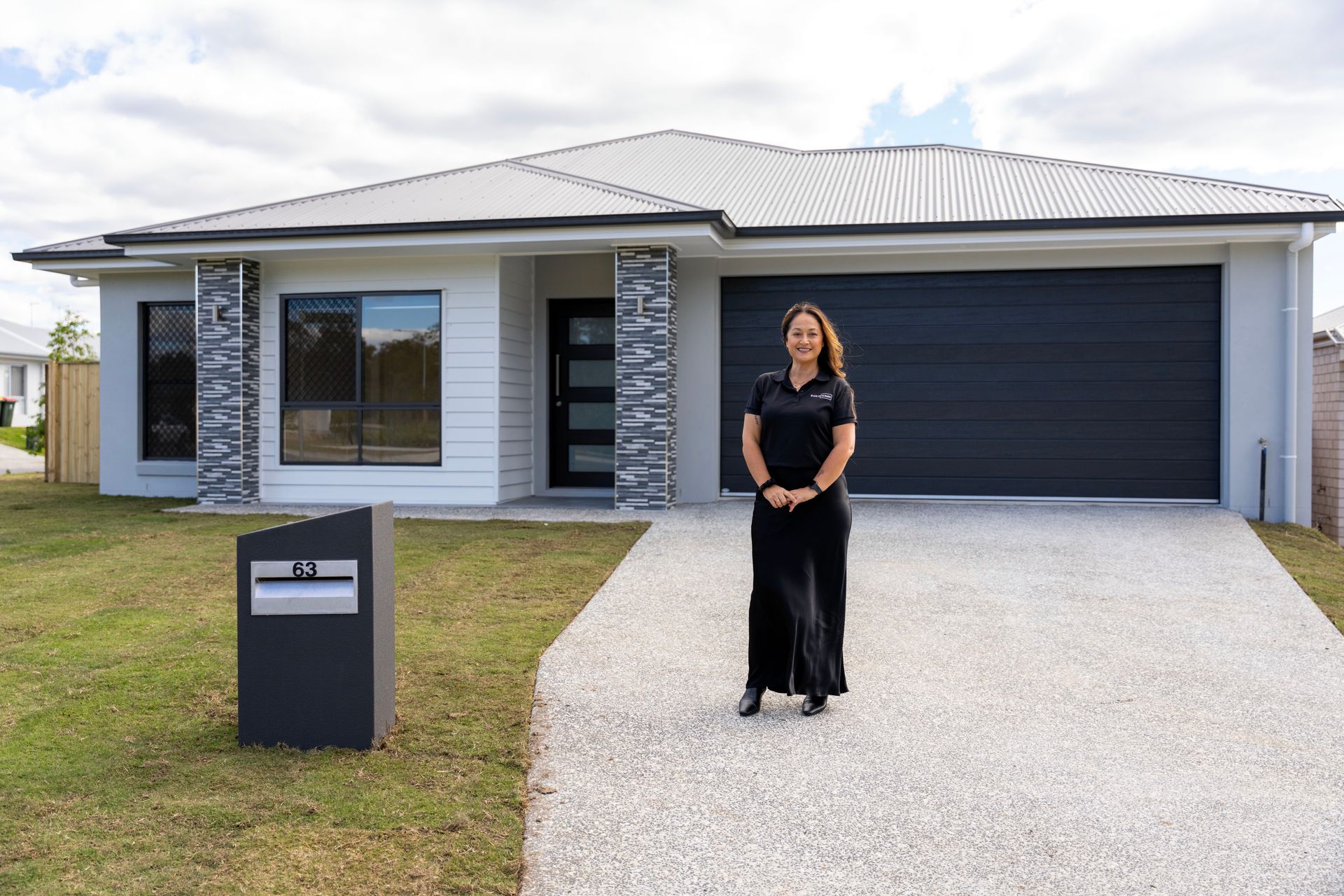
Learn why Evolve Homes QLD is trusted in Brisbane for custom homes, quality workmanship, and personal service.
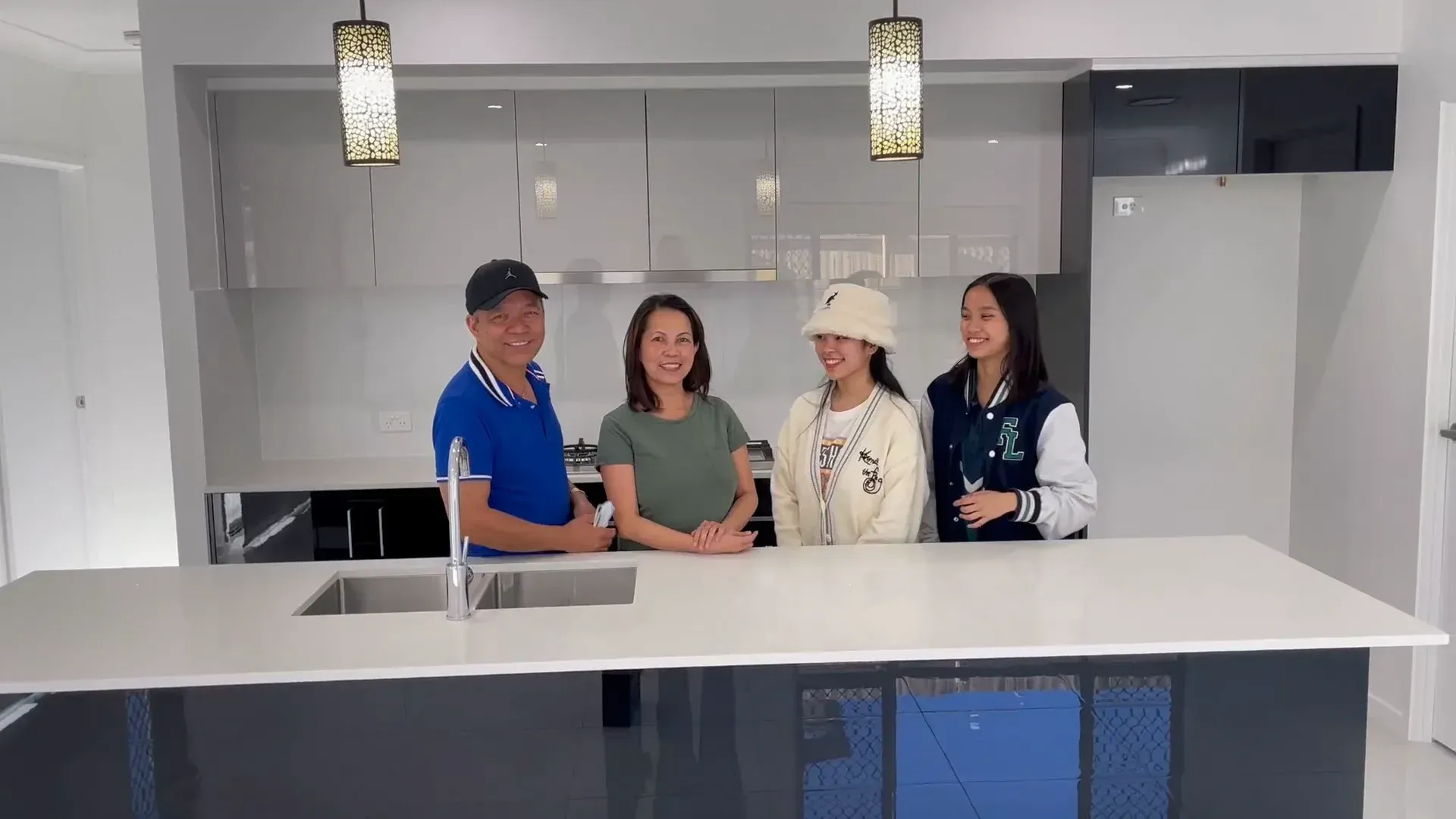
Build your dream home sooner with the 16 Week Express Build Program from Evolve Homes QLD. Fast timelines, clear communication and high quality results.
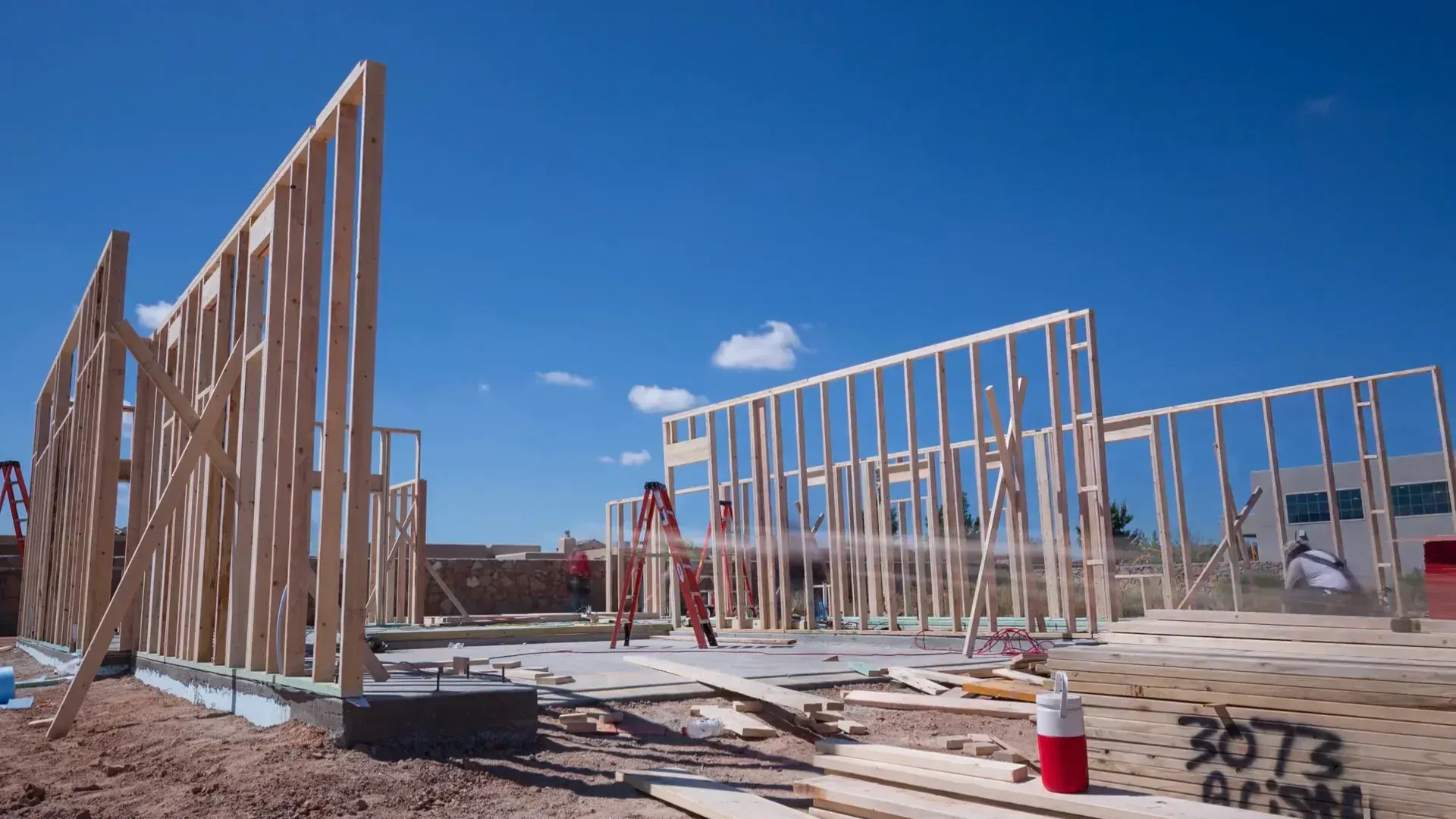
Learn how to recognise the early warning signs of poor site management and how Evolve Homes keeps every project on track.
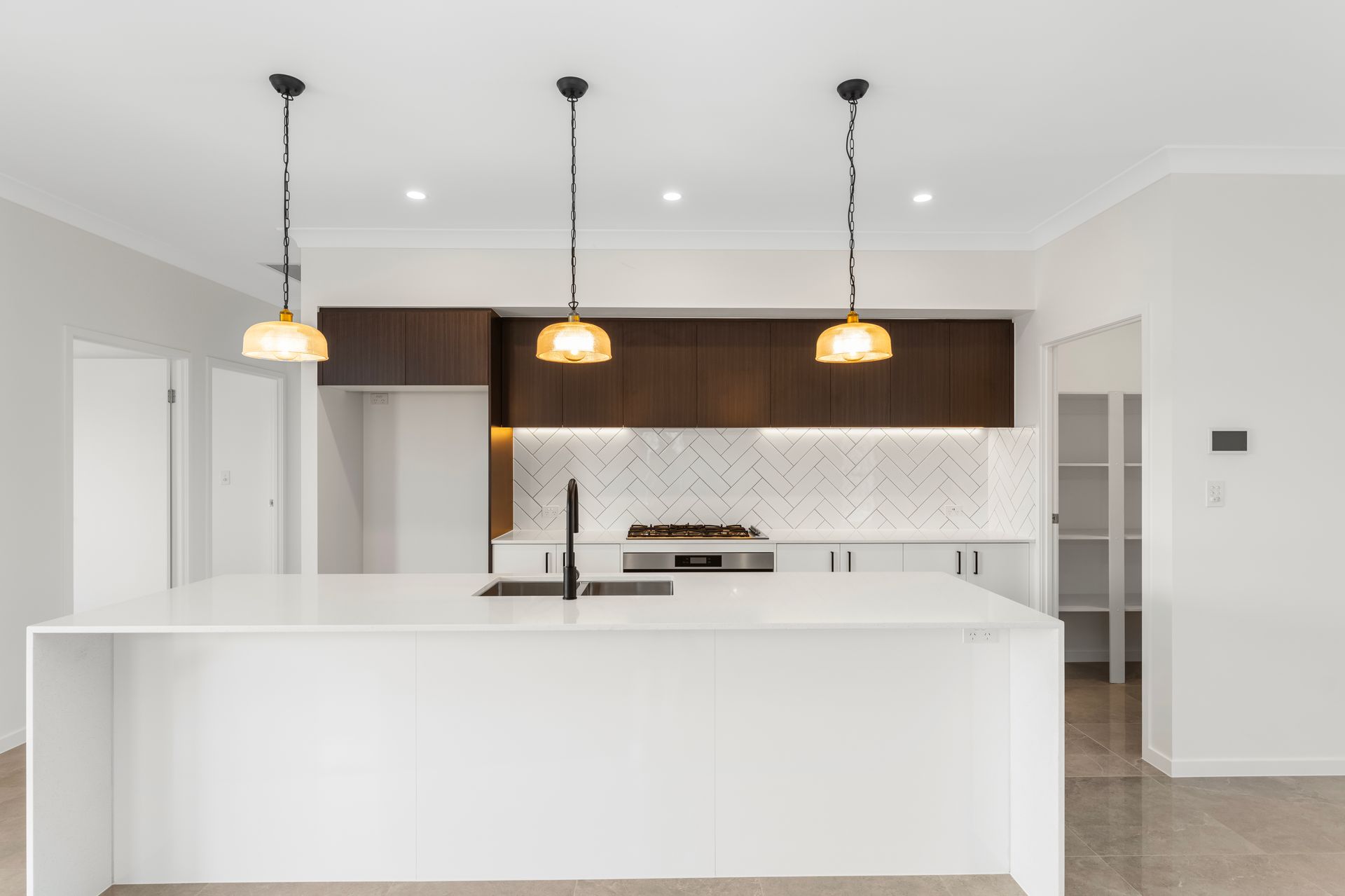
First time building? Learn how Evolve Homes guides you from concept to completion with clarity, care, and confidence.

See how Evolve Homes keeps every client informed through open communication, consistent updates, and genuine support.

Learn why timing is one of the most important factors in home construction and how Evolve Homes keeps every project on track.

Learn how to avoid budget blowouts and uncover the hidden costs many builders leave out when pricing your dream home.